I asked ChatGPT `which color does Sam like` a thousand times, so you don’t have to
10 Nov 2025
I’m finding it hard to finish my first post. Why not jump ahead and write the second one?
WARNING: this is a sidequest. ⚔️
Question
Are large language models biased towards certain options?
I’m interested in bias towards option names, not option values.
Example:
I have a question and two sets of options. The second set has the same values as the first, the only difference is: value4 and value1 switched places.
Set 1:
- a. value1
- b. value2
- c. value3
- d. value4
- e. value5
Set 2:
- a. value4
- b. value2
- c. value3
- d. value1
- e. value5
Will the model produce different results for Set 1 versus Set 2?
Is it more likely that the model will choose a over d when there’s no fair reason to do so.
Another way of phrasing it, is: Does the order in which the values are presented influence the choice of the model?
To assess this let’s ask ourselves,
Which color does Sam like?
- a. red
- b. blue
- c. green
- d. yellow
- e. other
a million times.
Why?
Backstory
It all starts while playing a game. The large language model has to identify the target from a set of five suspects. a to e.
I observe that there is a slight preference for the options b(23), c(22) and d(20) from a hundred total answers.
When the model nails every question, all options would have twenty answers. But the precision is lower than expected, at 62%.
I am sensing some bias vibes towards certain options.
Does this bias affect the precision of the participants?
There are not enough iterations of the experiment to make a case.
The data might also be part of the problem, ideally it affects the answers.
b might’ve been more suspicious all along.
Method
Model: gpt-4.1 Temperature: 0.5
I want to test this with a random question. The provided options should have the same probability to be correct.
Sam is a random person, and colours are random options. There should be a balanced distribution of hits for each option. Or, so I thought.
(Obviously it’s those green 💵 bills.)
What if there’s bias towards a specific color? How strong and persistent is this bias? Spoiler alert: there is.
I permutate the values of each option and run ten iterations for each permutation. This way I track a potential bias towards a certain value. 🕵️
And also by running each permutation ten times I’m looking for the consistency of the response.
I am looking for two numbers:
- the number of hits per option value (red, blue, green, yellow, other)
- the number of hits per option name (a, b, c, d, e).
The first one reveals if there is a bias towards a certain color.
The second reveals if there is a bias towards a certain option.
Short Answer

The answer is blue. Surprisingly, but not really.
Blue is a very popular color. I searched around and found that:
The most popular color, by a mile. And the numbers? The numbers don’t lie.
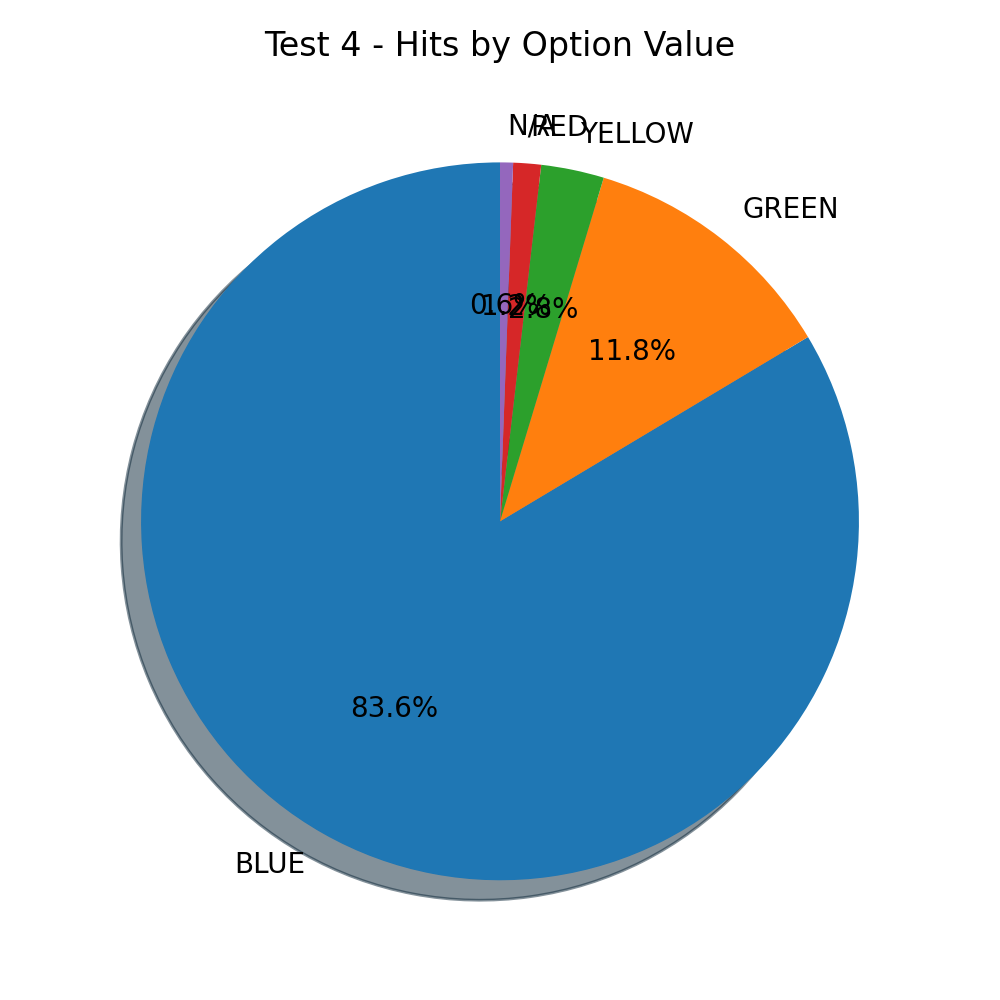
83.6 percent is a lot of blue.
It is blue for men and women of different names, and also blue if you ask its own favorite color.
The responses are annoyingly persistent. Fair distribution expectation gone.
But, what about the option position bias?
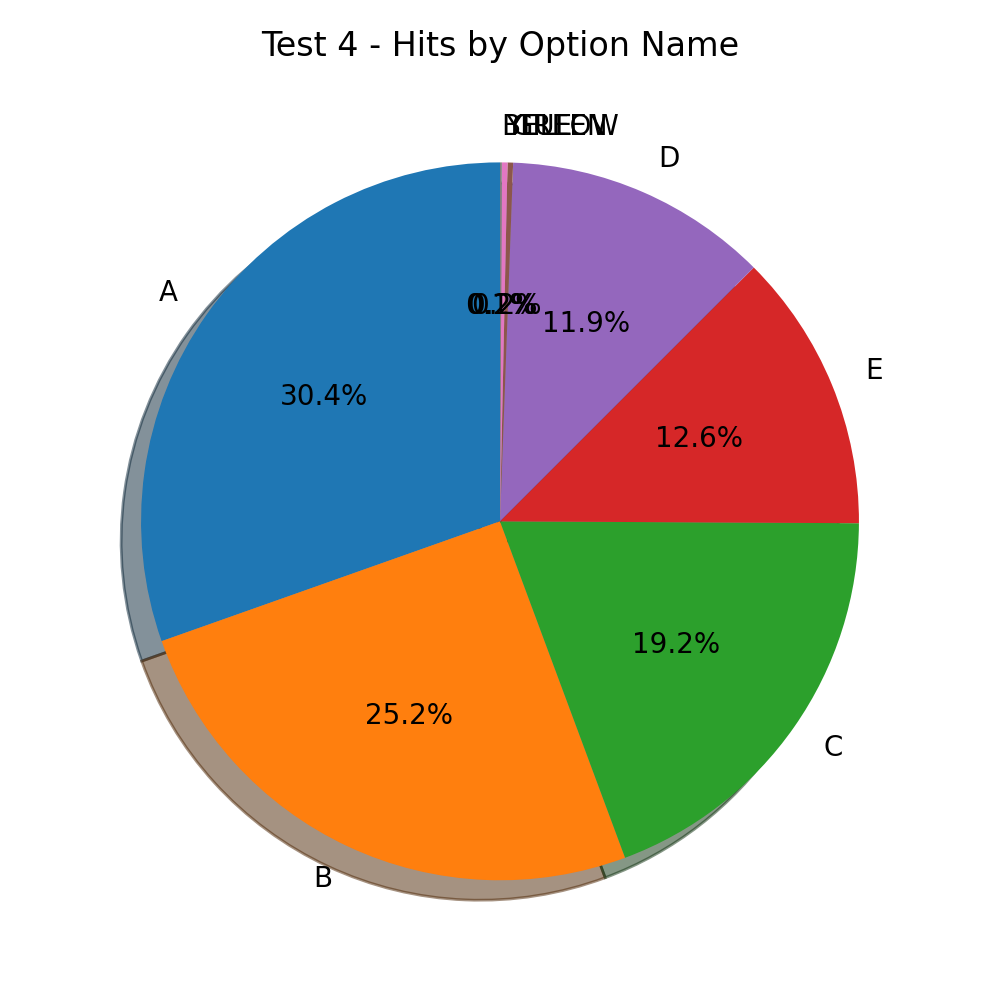
I am running the tests by permutating the colors across the options.
This means I am expecting a fair distribution of 20% percent of hits for each option.
What I found instead is a 10% bias towards option A and a 5% bias towards option B.
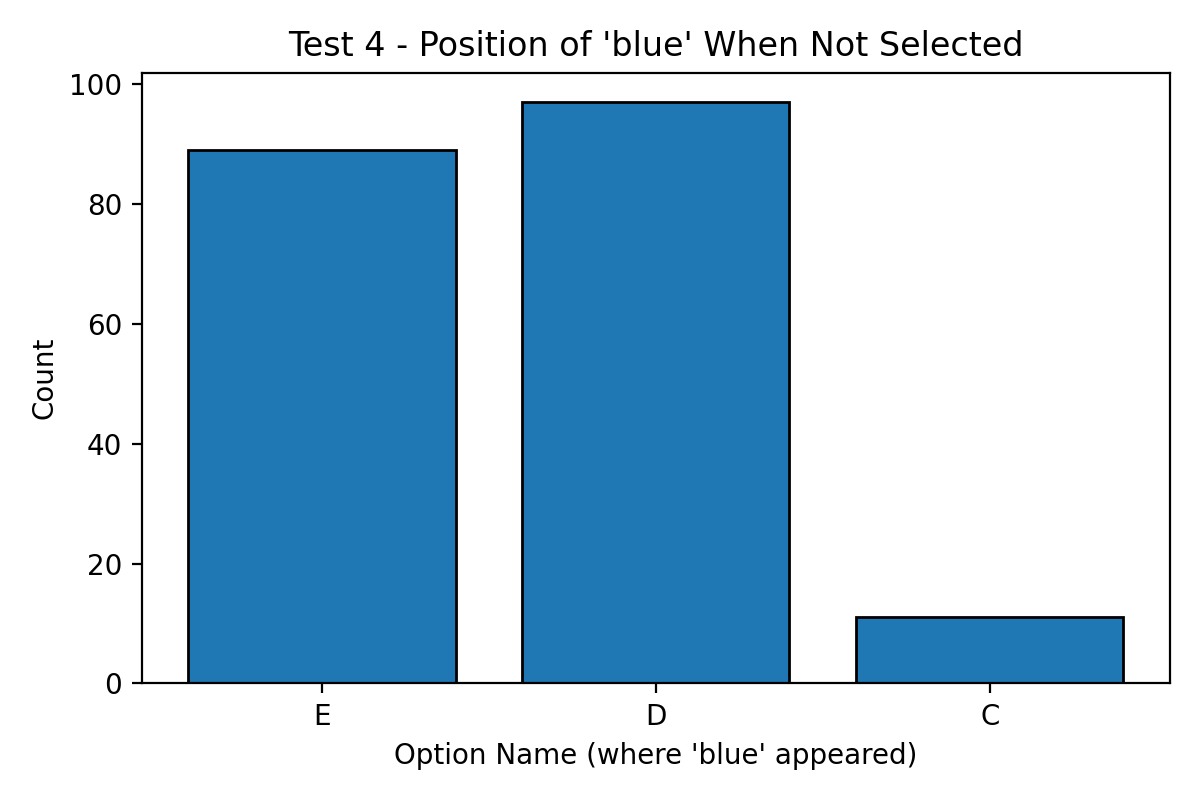
To drive the point home,
when blue was not chosen which is only 17.4% of the time it was located @
Long answer
The experiment has this configuration:
{
  "id": "d72ff8c1-d689-4d65-bd86-7ddb9c286e54",
  "name": "Test 4",
  "description": "Permute the options and run ten iterations for each one.",
  "iterations": 10,
  "strategy": "Permutations",
  "permutationDelayMs": 10000,
  "iterationDelayMs": 1000,
  "question": {
    "userMessage": "Which color does Sam like?",
    "systemMessage": "You are a helpful assistant."
  },
  "options": [
    { "name": "a", "value": "red" },
    { "name": "b", "value": "blue" },
    { "name": "c", "value": "green" },
    { "name": "d", "value": "yellow" },
    { "name": "e", "value": "other" }
  ]
}
I wonder how can I explain the results, while studying the model as a black box.
I can’t get the model’s weights, or a running system to debug, and even if I did, I don’t have the tools to analyse or understand it.
But there is something close enough, the vector representations aka embeddings.
embeddings
I didn’t use OpenAi API to get the embeddings. Instead, I used the SentenceTransformer library by HuggingFace with the all-MiniLM-L6-v2 model.
I’m going for simple words and concepts so the assumption is:
embeddings should be similar with gpt 4.1 and other models.
I calculate the cosine similarity on the sentence and word vectors.
This gives me an indication about how chat gpt relates the word with the sentence. I expect that if a word is closer to the sentence it should be the more probable answer.
I also introduced pink and black into the mix.
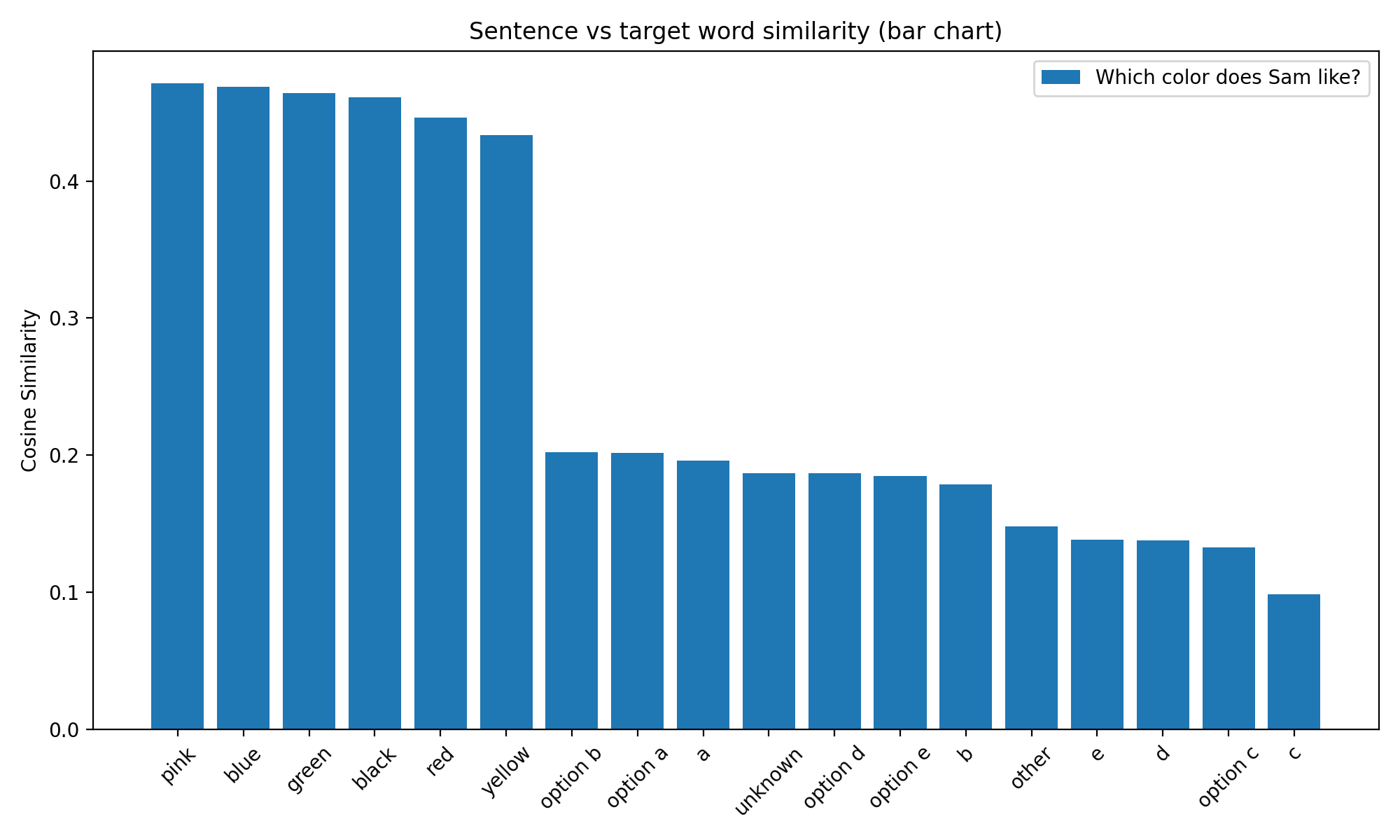
Pink is closer than blue to our sentence. option b is the closest among the options, right after the actual colors. Unknown is closer than some of the options and also closer than it’s opponent other.
What about the differences between men and women on color preferences.
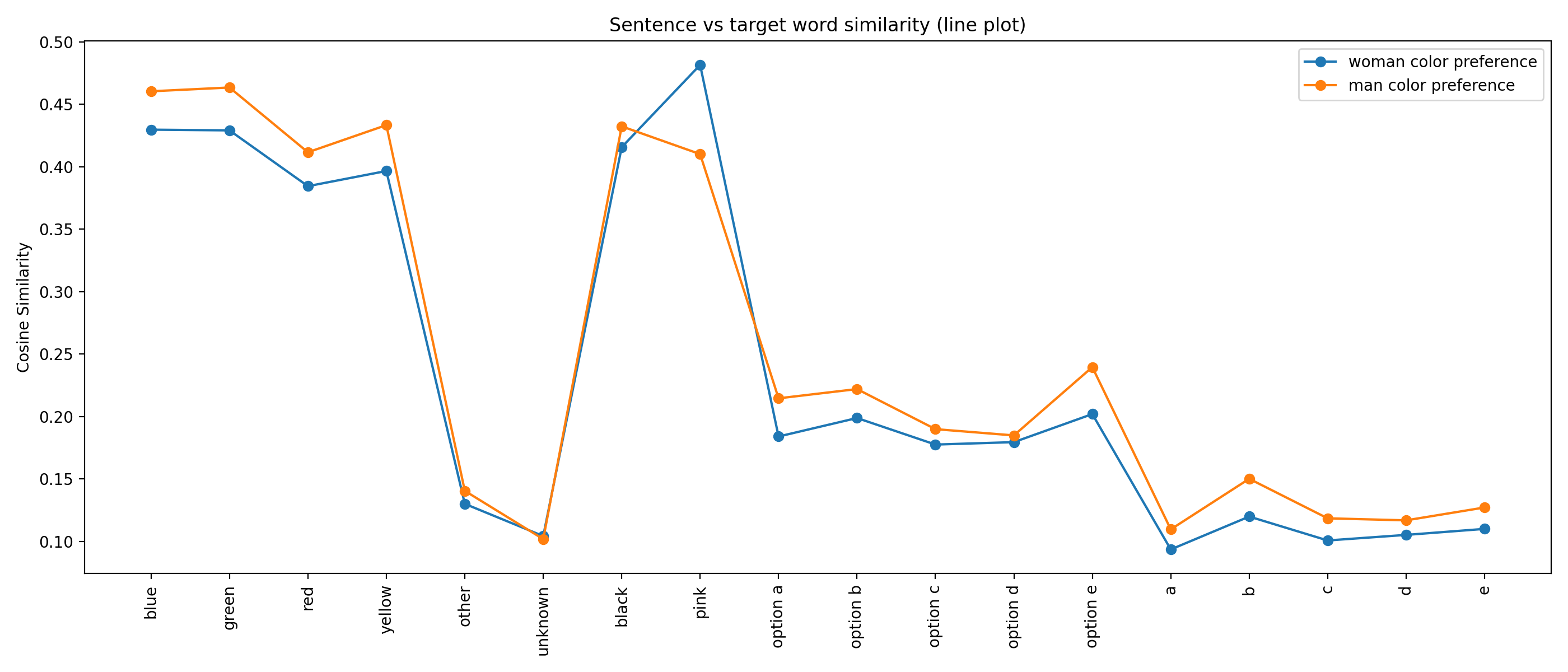
Nothing strange here.
Let’s do an extrapolation based on sentence-word similarity and the previous findings.
B is the preferred option. Blue is the preferred color, in general.
Pink is the preferred color among women. (according to llm)
I can predict that for a woman, I will get blue under b option with pink under d and I will obtain pink if I switch them around.
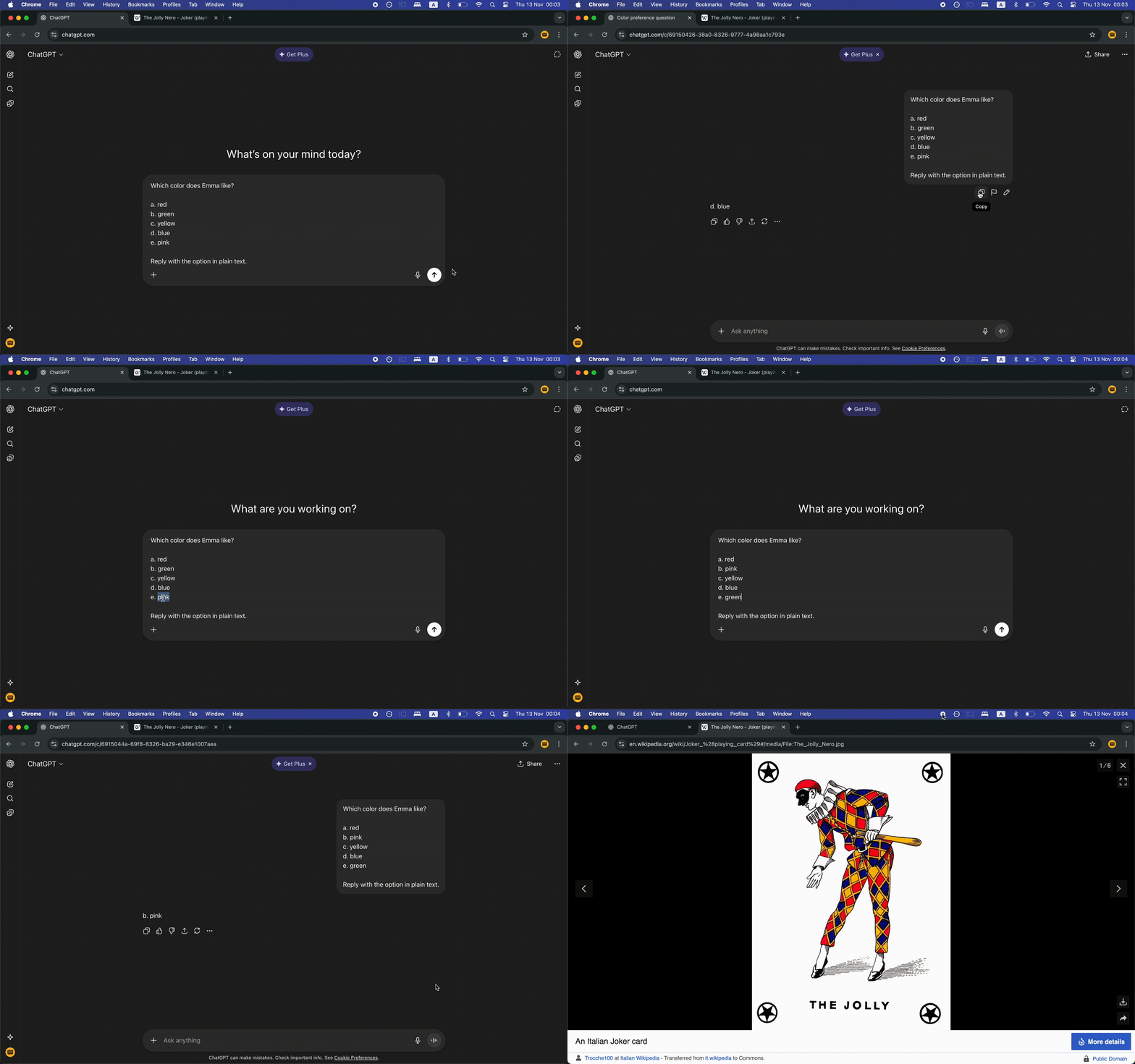
Voila!
Not all my predictions worked though. Grok has the men picking black most of the time, while Anthropic chooses the verbose unknown escape route.
I switch the configuration to drill deeper. My focus is:
- the options, why not random strings or random meaningful latin text
- the names of the subject, if any
- the names of the options, what about 1,2,3,4,5
- the system prompt
I’m sure there are other parameters to tweak, or values to try.
Do you have objections by this point? Please send them to me or contribute to the repo if you have the drive.
I have better things to do with my time. 🏞️
Following are the results of some of the more interesting tests I’ve run.
random strings 1
Random strings instead of colors.
{
  "id": "080afcb7-fc05-48aa-8f03-2ebc7b21c7e9",
  "name": "Test 2",
  "description": "Which random string does Sam like?",
  "iterations": 1,
  "iterationDelayMs": 0,
  "permutationDelayMs": 1000,
  "question": {
    "userMessage": "Which random string does Sam like?",
    "systemMessage": "You are a helpful assistant."
  },
  "strategy": "Permutations",
  "options": [
    { "name": "a", "value": "3wnjs5knvl" },
    { "name": "b", "value": "y05mniy4ce" },
    { "name": "c", "value": "57n9i4em54" },
    { "name": "d", "value": "yetq0ipy2k" },
    { "name": "e", "value": "other" }
  ]
}
This has a lower budget of one iteration per permutation.
To be honest I worry about ChatGPT caching its responses, and the planet. 🌎
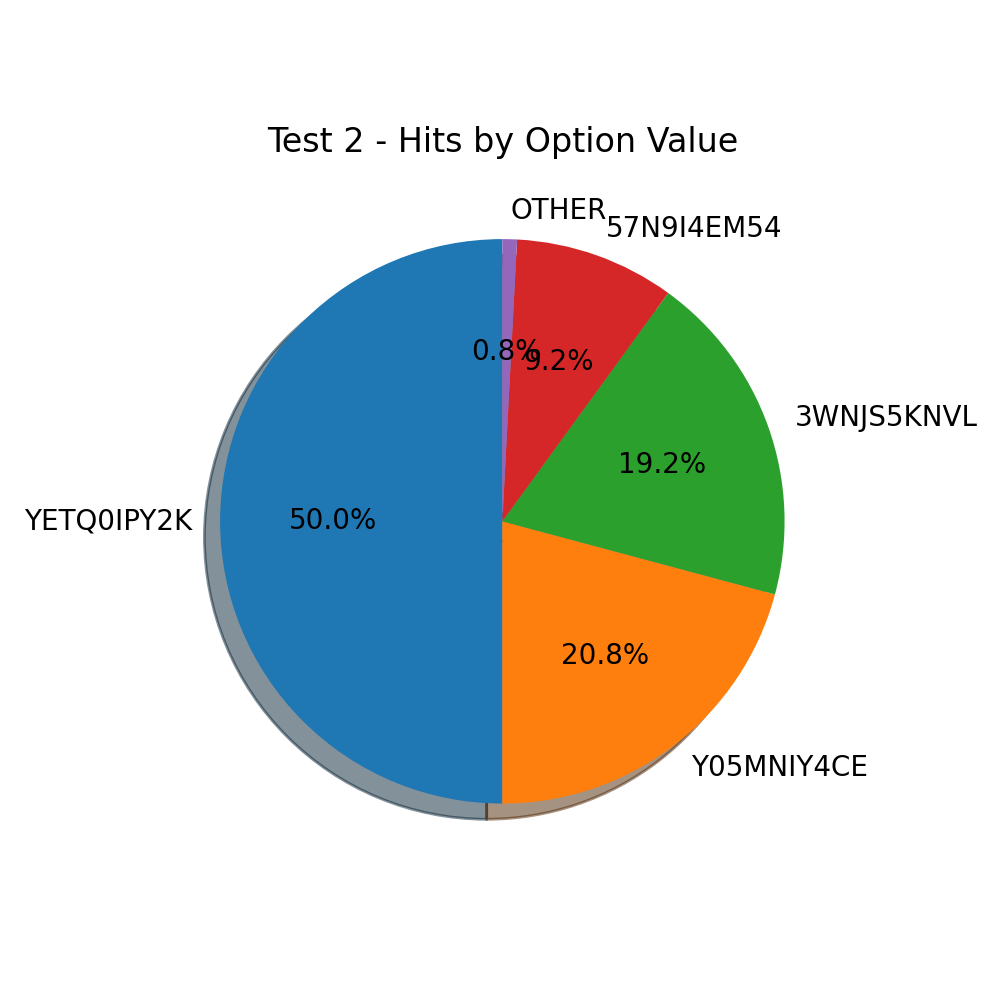
There’s less bias towards a certain value.
Although one random string got 50% of the hits it is not as strong as with blue.
The option other creeps in to the charts for the first time with almost 1%.
If we look at the option position bias,
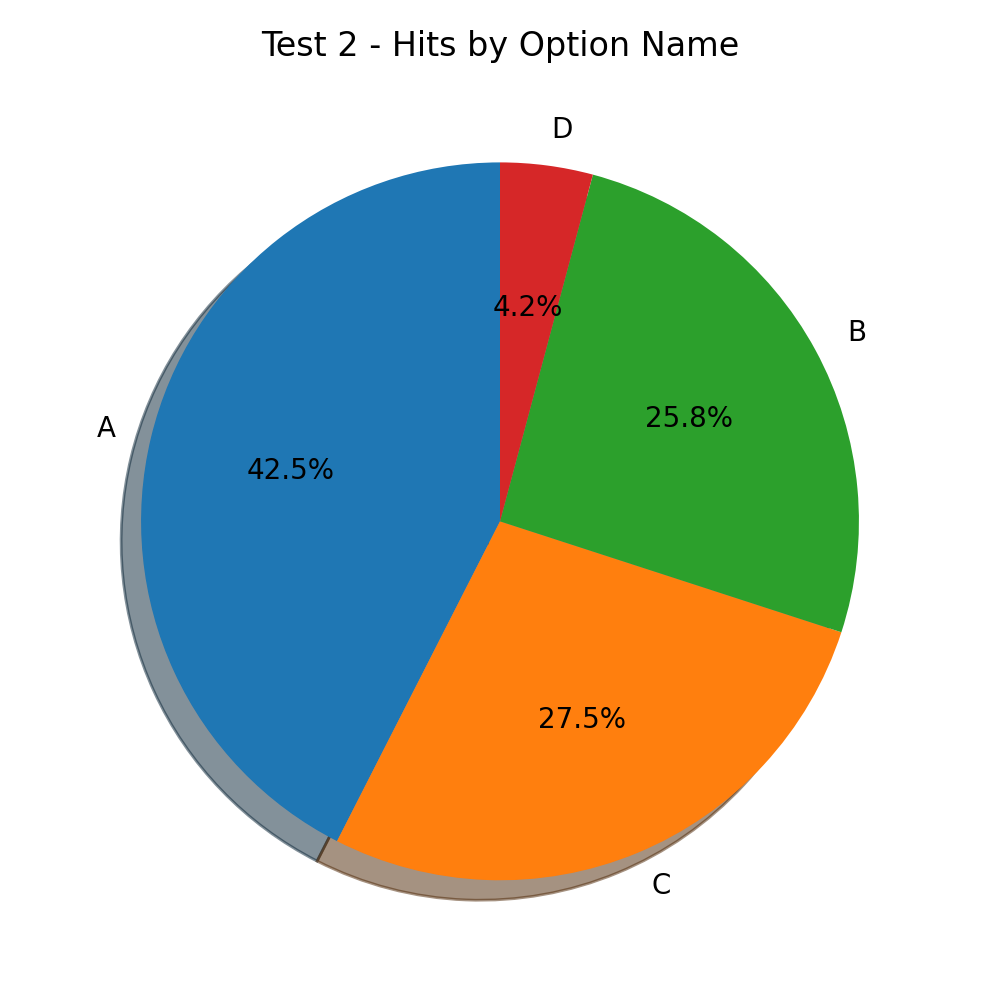
things are worrying. A is still the leader with almost 40% of hits, C outclasses B, and this time we don’t see E in the chart at all. zero, nada, jilts hits for E. 😟
random strings 2
But what if I change the strategy? Instead of permutations I just randomize the options each iteration.
I want to be honest here, I wanted to run a million iterations, but the planet. 🌎
The results flip the script here a little bit.
Say hello to “nice idea for a t-shirt” graphic.
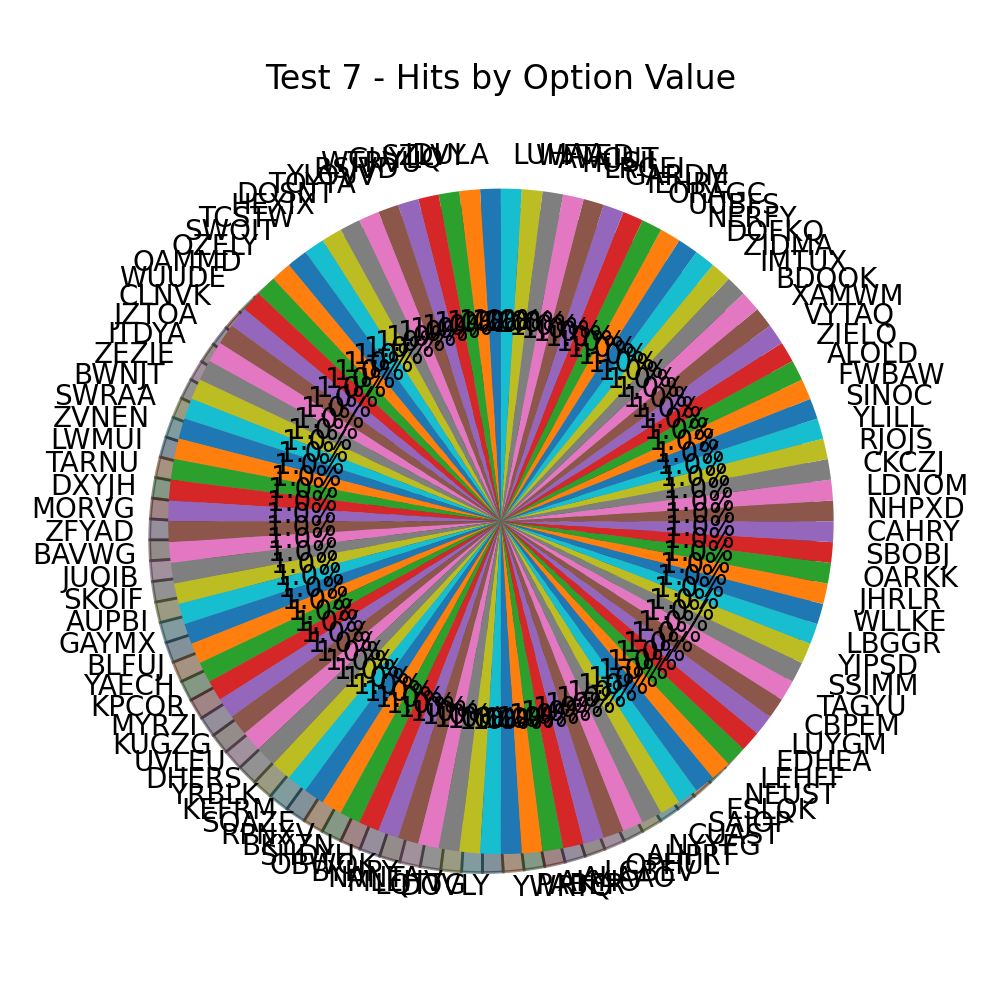
My option bias theory shakes a little bit:
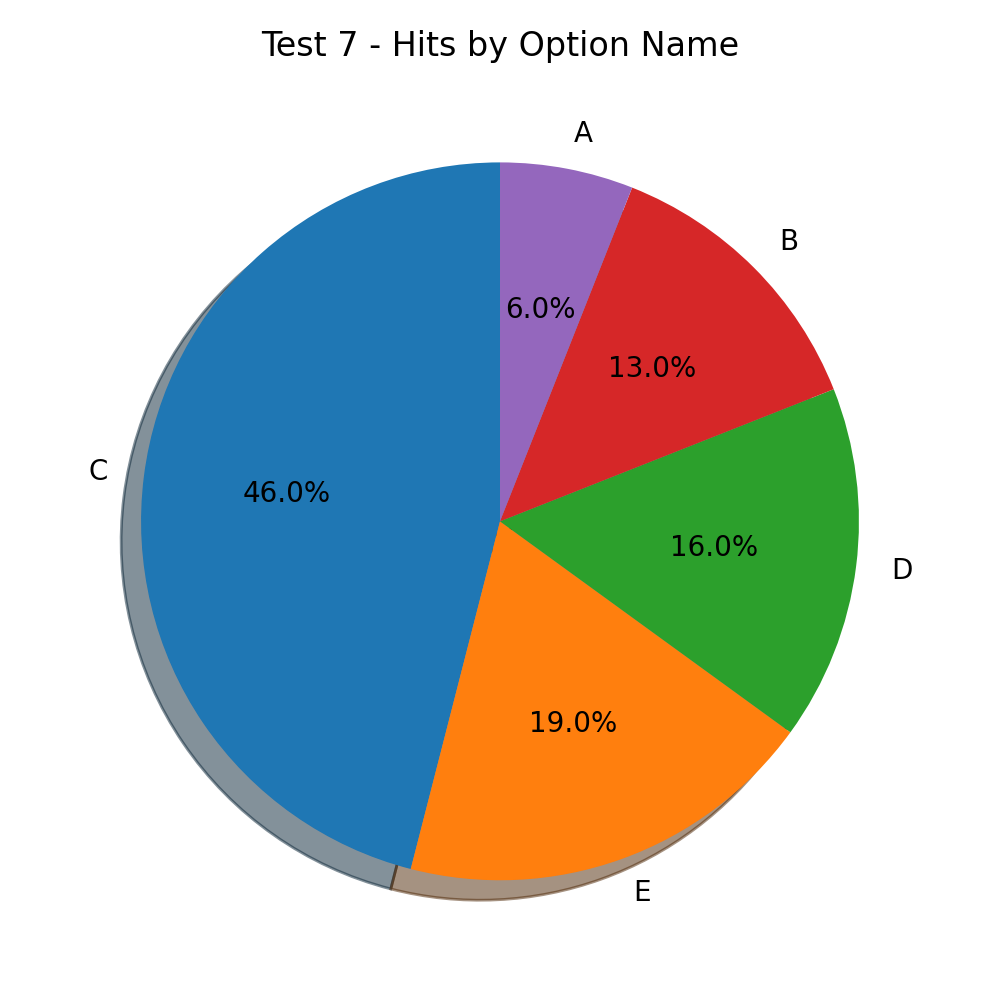
C is the new leader 🏆 with almost half of the hits. A comes last with 6%, while B, D and E take up the rest.
At this point, I question the consistency of the answers. What if it’s not consistency but memory?
I checked whether there was so memory involved in my API code. I ran the what’s your name test to be sure. There isn’t. ⚠️
Is it possible to draw a correlation between position C and the random string generation I’ve used below? It’s beyond the point of this experiment.
When we present the model with something it doesn’t understand, C is the favoured position.
This is the only conclusion I could draw so far.
String randomValue = random
  .ints(5, 'a', 'z' + 1)
  .collect(StringBuilder::new, StringBuilder::appendCodePoint, StringBuilder::append)
  .toString();
different names
I tried different names, and no name at all.
The result is the same. A, B and C the preferred options and Blue the preferred color.
Names used:
- Sam
- Roger
- Julia
- James
- Emma
- “Which color do you like?”
1, 2, 3, 4, 5
I’ve changed the name of the options to numerals.
I rewrote the system prompt to convince the model the selected option needs to be the numeral and not the color.
The results are interesting 🤔.
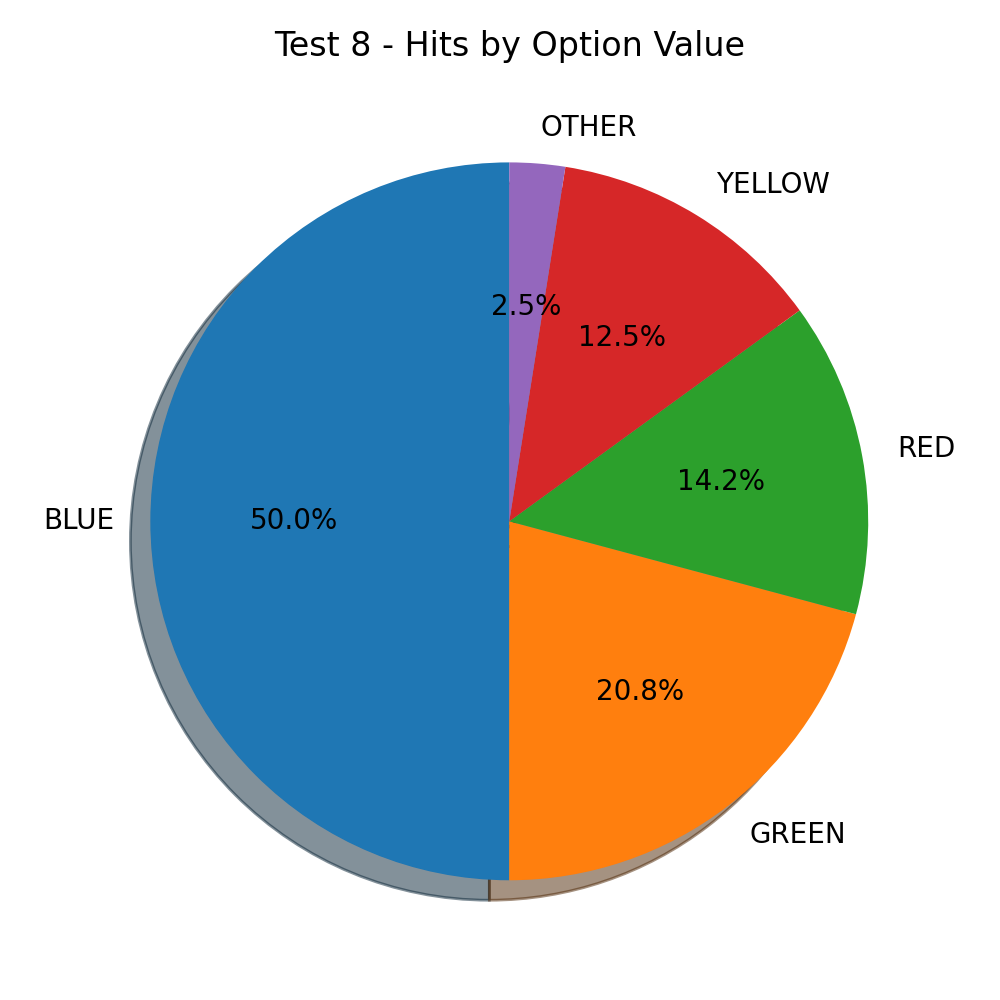
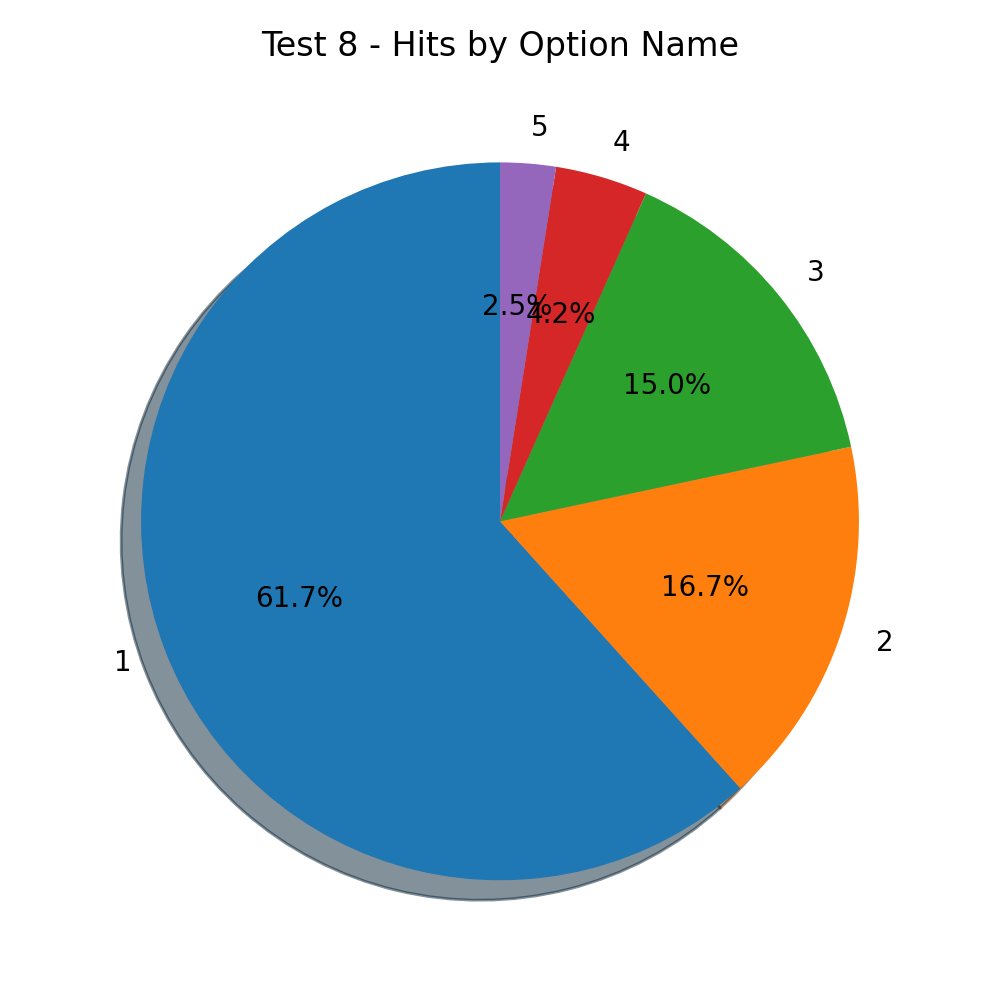
There’s less bias towards blue, but an exaggerated one to option 1.
With 61.7%, all the other options have less than half of the hits. 4 and 5 have together less than 10%.
the unknown option
From the first experiments, I’ve noticed that other was never an option.
But what does other mean in this context?
It means a different color from the ones that are already present.
Unknown means acknowledging you don’t know the answer. It could be any of the options.
I know from experience, large language models are confident beasts.
They will tell a lie rather than say I don't know.
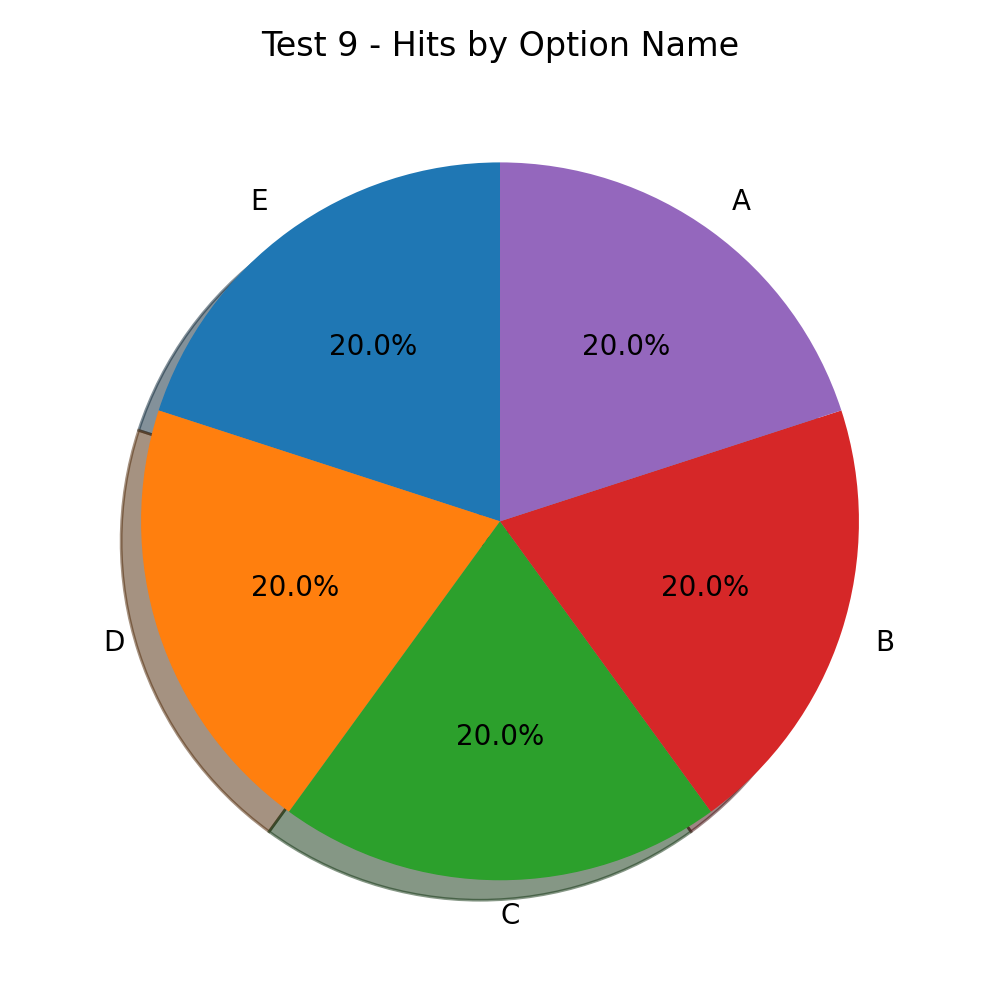
I want to see if changing other to unknown would have any impact.
And the result for this test is amazing:
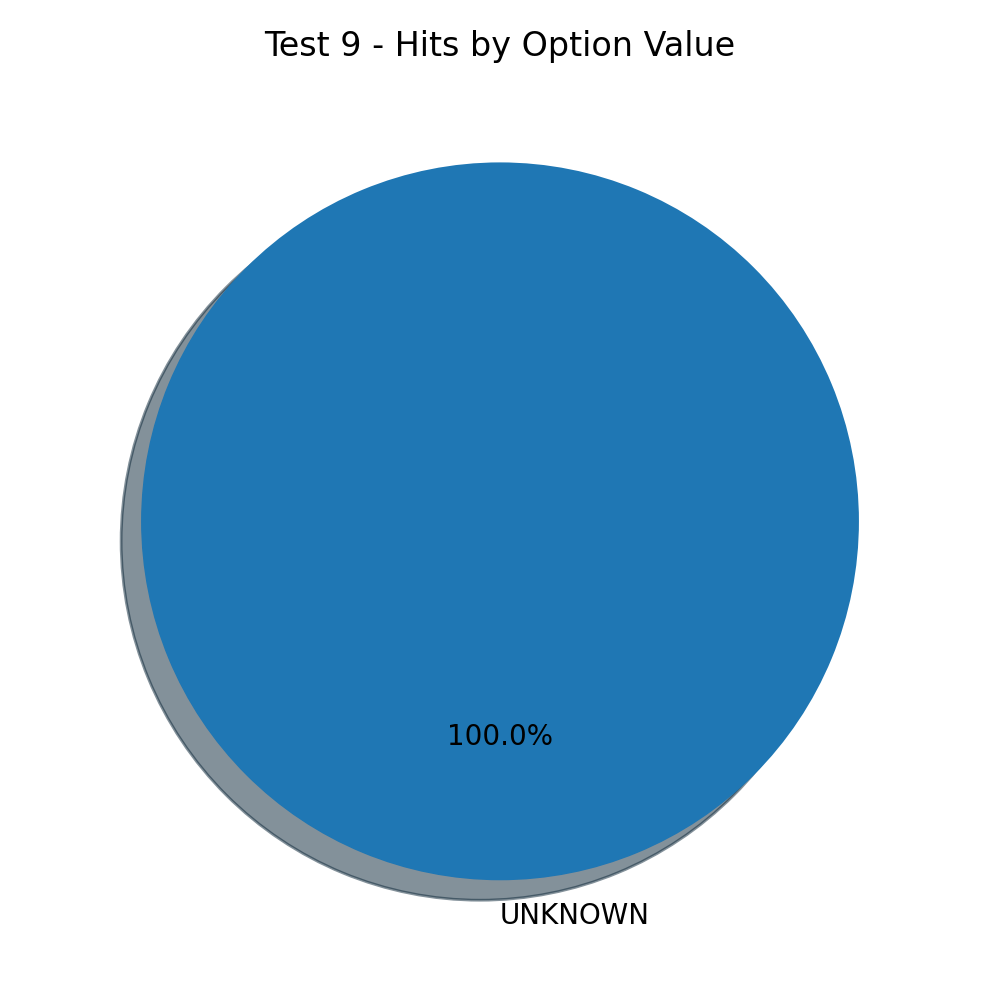
Absolute equality between all options. A wise response and a fair result.
Conclusion
There is a hiring process.
At some phase of the process GPT is asked to choose between different candidates.
You better start praying you’re not in position D or E. 🙏
I’m adopting the MCP architecture.
The model chooses to take an action. How much does the bias introduced by the input prompt affects this choice?
The structure of the prompt, the tool descriptions and the order of the parameters influence the outcome.
Can I skew it, towards an objective route?
Language triggers different behavior in humans vs AI. Some of our assumptions might not work in this space. New insights need to be derived through experimentation.
Use literals instead of numerals if you’re asking the model to choose between things for you.
The choice of words has a big impact as I’ve seen with other vs unknown.
Compile your words wisely. I don’t think we’ve found the language for our large language models.
Further questions
This is not an all encompassing list, but here are some of mine essentials:
- Does this reproduce
in your environment? - How does this behave with other models?
- Other languages?
- How to extract more insights from the answers?
- No names or random strings for options?
Code
Is yet to come.
java 21, spring-boot all the way. plots with python3.